
Extending Outdoor Season Into Cooler Months
Fire Pit and Fireplace Installation in Aurora for homeowners wanting functional gathering spaces that remain comfortable as temperatures drop
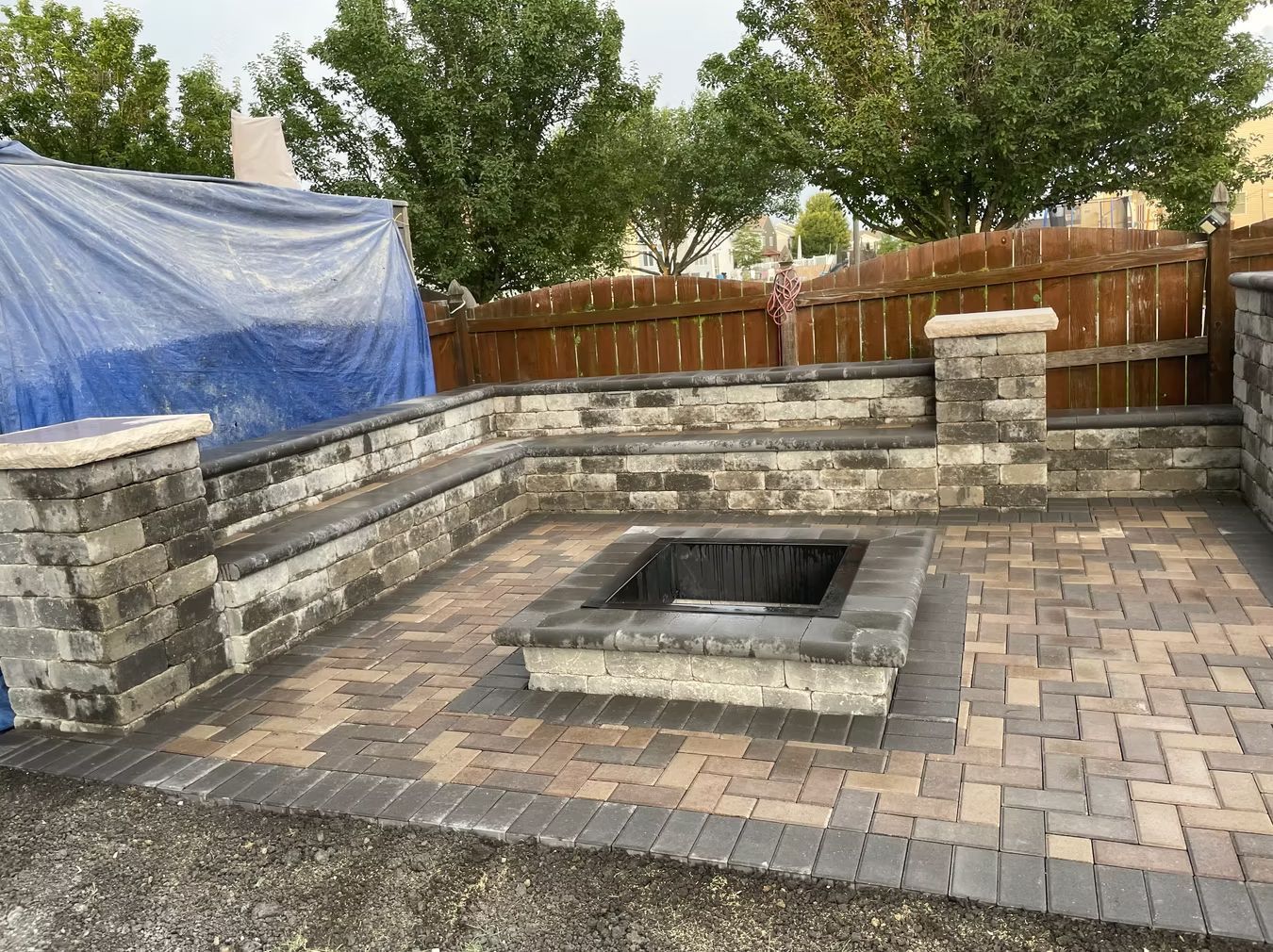
Aurora's outdoor season ends abruptly once nighttime temperatures fall below comfortable sitting range, typically by mid-October. A properly installed fire pit or fireplace extends usable outdoor time into November and makes spring evenings tolerable starting in March, adding months of functionality to patios and backyard spaces. Sixto And Sons Pavers Landscaping installs custom stone fire pits and outdoor fireplaces designed to complement existing hardscape while meeting safety clearances from structures, property lines, and overhead obstructions. The installation approach differs significantly between wood-burning and gas systems—wood fires require deeper fire boxes with proper drainage for rainwater, while gas installations need buried fuel lines and ignition systems protected from weather exposure.
Fire pits work best in open yard areas where seating can arrange in a full circle, while fireplaces function as focal points along patio edges or as division elements between different outdoor zones. Both require non-combustible bases—either poured concrete or compacted paver systems that will not crack from repeated heat exposure. Stone selection affects both appearance and performance, with dense materials like granite retaining heat longer than porous stone that may spall when exposed to high temperatures and moisture cycles.
Request design ideas and pricing for a fire feature that fits your outdoor layout and preferred fuel type.
What Changes After Installation Completes
Installation for stone fire pits involves excavating to stable soil, creating a gravel drainage base, and building up stone walls using either dry-stack methods for rustic appearances or mortared joints for formal designs. The interior fire box gets lined with firebrick if the design calls for intense fires, and the cap stones receive rounded edges for comfortable seating. Gas systems include a buried line running from your home's gas meter, a shutoff valve within reach of the fire feature, and a burner system concealed beneath decorative media like lava rock or fire glass.
Once installed, your outdoor space gains a functional gathering spot that draws people outside even when the air temperature would normally keep them indoors. The fire feature becomes the natural center of outdoor furniture arrangement, and the stone construction looks intentional rather than added as an afterthought. Gas systems light with the turn of a key rather than requiring fire building, and flames adjust to control heat output. Wood-burning features provide traditional fire experiences with the smell and sound of burning wood, though they require more maintenance and produce smoke that affects where you can site them relative to neighbors and structures.
Safety installation includes maintaining clearances from combustible materials—house siding, wooden fences, overhead tree branches, and deck structures all need adequate distance from flame height. Local codes in Aurora may restrict fire features in certain situations or require permits for permanent installations, particularly for gas systems that tie into your home's fuel supply. Proper installation accounts for prevailing wind direction so smoke moves away from primary seating areas and does not blow toward the house or neighboring properties.
Questions Before Starting Your Project
Homeowners planning fire features usually ask about fuel options, placement factors, and ongoing use requirements.
How do wood-burning and gas fire features compare for outdoor use?
Wood fires produce more heat, create traditional ambiance with crackling sounds and wood smoke smell, but require fuel storage and ash cleanup, while gas systems light instantly, burn cleanly, and need minimal maintenance but lack the sensory experience of wood fires.
What determines where a fire pit or fireplace can be located?
Safety clearances from structures and property lines, wind patterns that affect smoke direction, proximity to gas lines for gas systems, and how the feature integrates with existing seating areas all influence placement decisions.
When do fire features require permits in Aurora?
Gas line installations typically require permits and inspections to verify safe connections and proper shutoff access, while wood-burning features may need approval depending on size and location relative to structures.
Why does stone type matter for fire feature construction?
Some stones crack or explode when exposed to high heat and moisture, while dense materials like granite withstand repeated heating cycles without damage—stone selection affects both safety and longevity.
What maintenance do fire pits and outdoor fireplaces require?
Wood-burning features need ash removal and occasional repointing of mortar joints if the heat causes deterioration, while gas systems need annual inspection of burner components and connections to verify safe operation.
Sixto And Sons Pavers Landscaping evaluates your yard layout, discusses fuel preferences, and ensures fire feature placement meets safety requirements while creating a functional gathering space. Call (630) 809-0281 to begin planning your fire pit or fireplace installation.