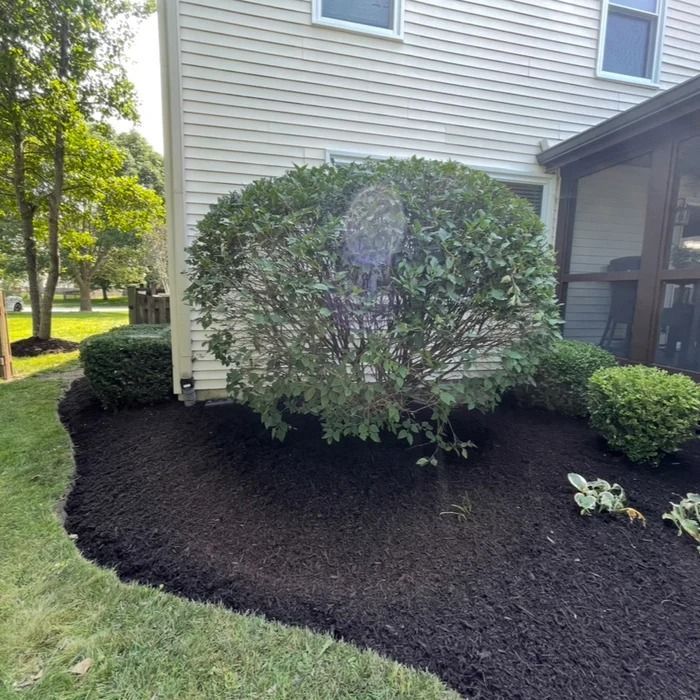

Shade and Privacy That Grows Strategically
Tree and Bush Planting in Aurora for properties needing mature landscape structure without waiting decades for saplings to fill in
Aurora's clay-heavy soil and fluctuating winter temperatures affect which trees and shrubs survive their first few years after planting. Sixto And Sons Pavers Landscaping selects species that tolerate these conditions and positions them where mature growth won't interfere with utilities, structures, or sight lines that matter for safety and access. You're working with plants that will triple in size, so placement decisions made now determine whether the tree provides useful shade or creates problems as it matures.
Proper spacing between trees and between shrubs allows each plant access to sunlight and prevents root systems from competing for water in the same soil zone. The planting process involves digging holes wider than the root ball to let roots spread horizontally during the first growing season, then backfilling with native soil rather than amended mixes that create a transition zone roots may avoid crossing.
Arrange an on-site consultation to review sun exposure, soil drainage, and mature plant dimensions before selecting species and planting locations.
How Planting Depth Affects Long-Term Growth
Trees planted too deep develop root systems that circle near the surface instead of spreading downward, which limits stability during windstorms and reduces the tree's access to deeper moisture during dry periods. The root flare—where the trunk widens at the base—should remain visible above ground level after planting, which means setting the root ball slightly higher than the surrounding grade to account for settling.
After planting, you'll notice new leaf growth within the first season as roots establish in the surrounding soil, and shrubs will begin filling their intended space within two years if spacing was calculated for mature width. Trees provide measurable shade once the canopy reaches ten to fifteen feet, which typically takes three to five years depending on species growth rate and sun exposure.
Staking is only necessary for trees planted in exposed locations where wind could shift the root ball before roots anchor—most residential plantings don't require staking if the hole was sized correctly and the soil was packed firmly enough to hold the tree upright. Mulch applied around the base helps retain moisture but should be kept away from direct contact with the trunk to prevent bark rot.
Answers to Frequent Service Questions
Property owners considering new plantings usually ask about species selection, spacing, and how quickly plants reach functional size.
What tree species work best in Aurora's climate?
Species that tolerate clay soil and handle temperature swings include maples, oaks, and serviceberries, all of which establish reliable root systems within two growing seasons.
How far from structures should trees be planted?
Planting distance depends on mature canopy width—most shade trees need at least fifteen feet of clearance from buildings to prevent root interference with foundations and branches from reaching rooflines.
When is the best time to plant trees and shrubs?
Spring and fall planting allows roots to establish before extreme temperatures arrive, though container-grown plants can be installed during summer if watering is maintained consistently.
Why does spacing between shrubs matter?
Shrubs planted too close create overlapping canopies that block interior airflow and sunlight, leading to dead growth in the center and making the planting more prone to disease.
How long before new trees provide noticeable shade?
Depending on species and size at planting, shade becomes functional within three to five years as the canopy expands and branches develop enough density to block midday sun.
Sixto And Sons Pavers Landscaping develops planting plans that account for mature plant dimensions and site-specific conditions. Contact the team to request recommendations based on your property's layout and design goals.