
Ground Cover That Stays in Place
Professional Mulching Services in Aurora for garden beds losing moisture faster than plants can establish or handle seasonal temperature shifts
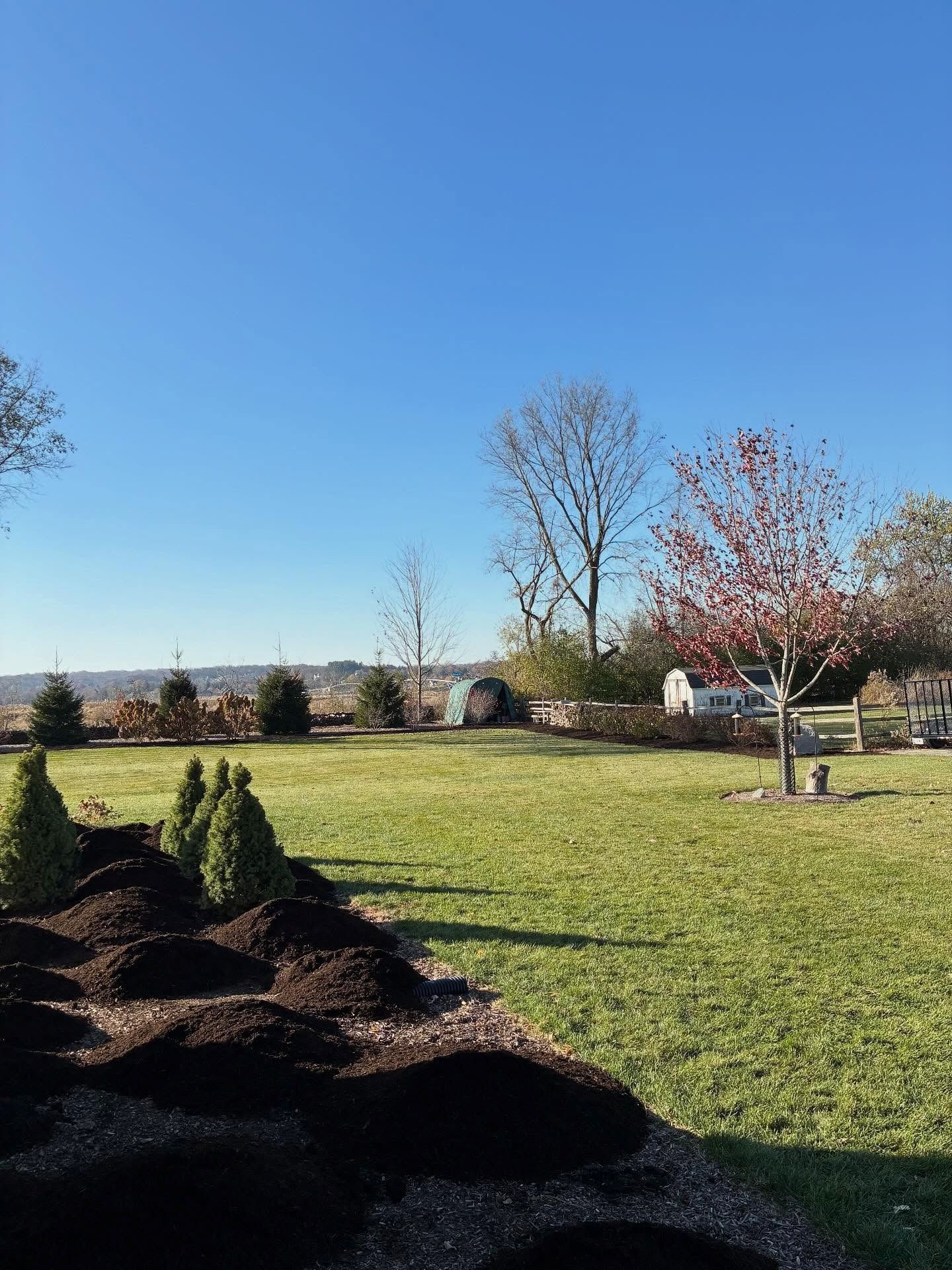
Mulch creates a barrier between soil and air that slows evaporation, but only if the layer is thick enough and the material doesn't decompose into dust before the season ends. Sixto And Sons Pavers Landscaping applies high-quality mulch to garden beds and landscaped areas in Aurora, using material that holds its structure through summer heat and winter freeze-thaw cycles. Properties with shrubs, perennials, or newly planted trees see better plant health when the root zone stays insulated from temperature extremes and retains consistent moisture between watering.
The process involves clearing old mulch that has broken down into fine particles, edging bed borders to contain the new layer, and spreading material to a depth that suppresses weed germination without smothering plant roots near the surface. Mulch also reduces soil compaction from rainfall impact and prevents erosion on sloped beds where bare soil would wash into walkways or lawn areas during storms.
Request mulch delivery and installation details to schedule application before seasonal weather patterns affect planting bed conditions.
What Proper Mulching Requires
Mulch depth matters more than coverage area—applying a three-inch layer provides enough insulation and weed suppression to justify the cost, while thinner applications allow sunlight to reach the soil surface where weed seeds germinate. Sixto And Sons Pavers Landscaping maintains consistent depth across beds and keeps mulch pulled back several inches from plant stems and tree trunks to prevent moisture from sitting against bark and causing rot.
You'll notice beds retain a finished appearance longer since mulch doesn't break down as quickly as lower-grade materials, and the color stays darker through the season rather than fading to gray within weeks. Weeds still appear occasionally, but they pull out easily because their roots can't penetrate through the mulch layer to anchor in the soil below.
Seasonal refreshing is typically needed every one to two years as mulch decomposes and loses volume—spring application prepares beds for growing season moisture demands, while fall application insulates roots heading into winter dormancy. Properties with heavy shade may stretch the interval longer since mulch breaks down more slowly without direct sun exposure accelerating decomposition.
Common Questions About This Service
Clients scheduling mulching services often ask about material types, application timing, and how mulch affects plant health through changing weather.
What type of mulch works best for residential garden beds?
Shredded hardwood mulch provides a balance between decomposition rate and structural integrity, breaking down slowly enough to last through a full season while still improving soil as it decays.
How does mulch reduce weed growth in planting beds?
A three-inch layer blocks sunlight from reaching the soil surface, preventing most weed seeds from germinating and making any that do sprout easier to remove before roots establish.
When should mulch be applied for maximum benefit?
Spring application before temperatures rise helps soil retain moisture during peak growing season, while fall application insulates roots as temperatures drop and freeze-thaw cycles begin in Aurora.
Why does mulch need to be kept away from plant stems?
Direct contact traps moisture against bark and stems, creating conditions where rot and fungal growth develop and damage the plant at the base where it's most vulnerable.
How often do planting beds need fresh mulch?
Most beds benefit from new mulch every one to two years as the existing layer decomposes and loses volume, though shaded areas may extend this interval due to slower breakdown rates.
Sixto And Sons Pavers Landscaping coordinates delivery and application timing to match your property's seasonal needs. Schedule a consultation to review bed preparation and material options for your landscaped areas.