
Functional Spaces for Year-Round Outdoor Cooking
Outdoor Kitchen Construction in Aurora for homeowners adding dedicated cooking and entertainment areas that integrate with existing outdoor layouts
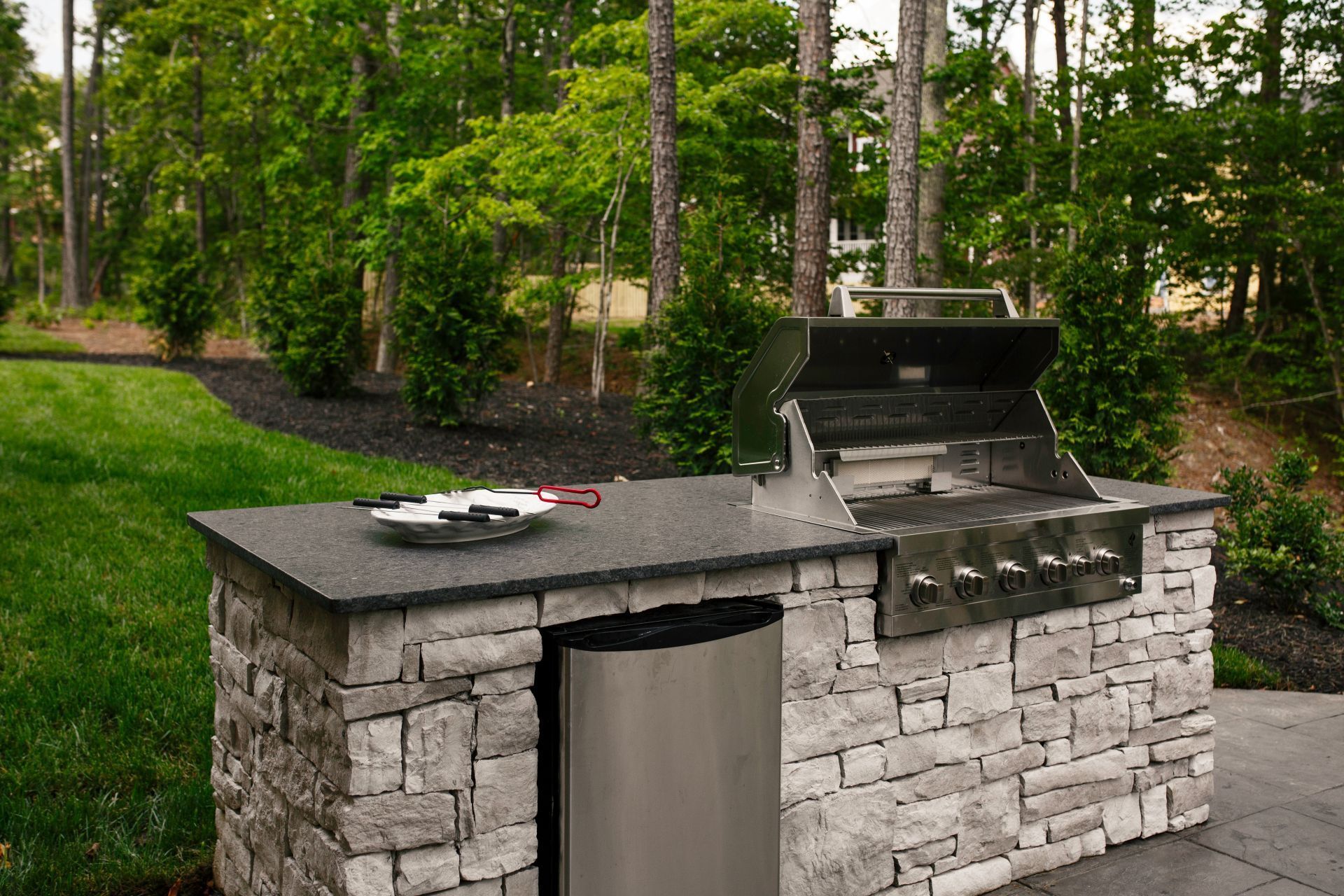
A properly constructed outdoor kitchen in Aurora must handle temperature swings from below freezing in winter to summer heat, along with rain exposure and the occasional hailstorm. Sixto And Sons Pavers Landscaping builds custom outdoor kitchens with integrated grills, prep areas, and seating space using materials selected for outdoor durability rather than indoor aesthetics. The structure typically includes a paver or concrete base, stone or brick veneer surrounding the cooking components, and countertop surfaces that resist staining and weather damage. Gas lines and electrical connections get buried and protected before hardscape installation begins, and the layout accounts for clearances required around cooking surfaces.
These installations work best when they match the materials and style of existing patios, creating visual continuity across your outdoor space. The cooking area needs adequate ventilation—even outdoor grills produce smoke that becomes problematic if the structure sits too close to the house or under a low roof. Counter height, workspace dimensions, and storage access all follow ergonomic standards so cooking outside feels as functional as working in your indoor kitchen.
Schedule a design consultation to discuss layout options that work with your patio footprint and cooking preferences.
What Proper Outdoor Kitchen Construction Requires
Construction begins with a reinforced base—either a poured concrete pad or a compacted paver base that can support the weight of masonry structures and stone countertops. The frame gets built with concrete block or steel studs rated for exterior use, and all cavities that will house gas connections, electrical outlets, or storage must allow for drainage so water does not collect inside the structure. Countertops use granite, concrete, or tile that tolerates freeze-thaw cycles without cracking, and all seams get sealed to prevent water infiltration.
After construction, your outdoor space includes a dedicated cooking zone with everything within arm's reach—grill controls, prep surfaces, storage for utensils, and often a small refrigerator or ice bin. The structure feels permanent and stable rather than looking like assembled components, and materials weather consistently with your existing patio. You can cook outside comfortably because workspace and lighting are planned rather than improvised, and cleanup becomes simpler with a dedicated prep area and access to water.
Customization options include built-in grills versus grill inserts you provide, side burners for heating sauces or boiling water, warming drawers that keep food hot during serving, and bar seating integrated into the counter overhang. Some homeowners add pizza ovens or smokers as separate components tied into the same structure. The layout depends on how you actually cook—whether you need extensive prep space for involved meals or just a simple grill station with minimal counter area. Storage considerations matter more than many people anticipate—outdoor cooking generates surprising amounts of tools, fuel, and supplies that need weather-protected space.
What Property Owners Usually Ask
Homeowners considering outdoor kitchens typically want to understand material durability, utility requirements, and design flexibility before committing to construction.
What materials hold up best for outdoor kitchen countertops in Aurora?
Granite and concrete both tolerate freeze-thaw cycles without cracking when properly sealed, while tile requires frost-resistant varieties and careful grout selection to prevent water damage during winter.
How are gas and electrical connections installed for outdoor kitchens?
Lines run underground from your house to the kitchen location in conduit that protects them from damage, and all connections must meet code requirements for outdoor installations including proper shutoffs and weatherproof outlets.
When does it make sense to build an outdoor kitchen versus using portable equipment?
Permanent installations make sense when you cook outside frequently enough to justify the investment and when you want the functionality and storage that built-in designs provide.
Why do outdoor kitchen costs vary significantly between projects?
Size, material selection, appliance quality, and utility connection complexity all affect pricing—a simple grill surround costs far less than a full kitchen with multiple cooking surfaces, refrigeration, and extensive storage.
What design factors affect how usable the outdoor kitchen becomes?
Counter height for comfortable food prep, adequate workspace on both sides of the grill, lighting for evening use, and protection from prevailing winds all determine whether the space gets used regularly or becomes frustrating to work in.
Sixto And Sons Pavers Landscaping develops outdoor kitchen designs based on your cooking habits, existing patio layout, and budget parameters. Request a consultation to review material options and create a layout that matches how you plan to use the space.